

Drew — Assessment
Overall Movement Score
Strong upper-body alignment, but your feet/ankles/hips lose position under squat + hinge.
Status: Movement reset phase - guided approach
Next focus: ankles
G8way Grade
31.25%
Your biomechanics efficiency score
Max Takeaway
Your priority pathYour movement priority
Your assessment identified ankles as your top leak. This is where force is escaping.
Your 3 fastest wins for Baseball
#1 FOCUS
Build stronger foot pressure + arch control
#2 FOCUS
Improve hip balance for even load sharing
#3 FOCUS
Enhance hamstring flexibility for better reach
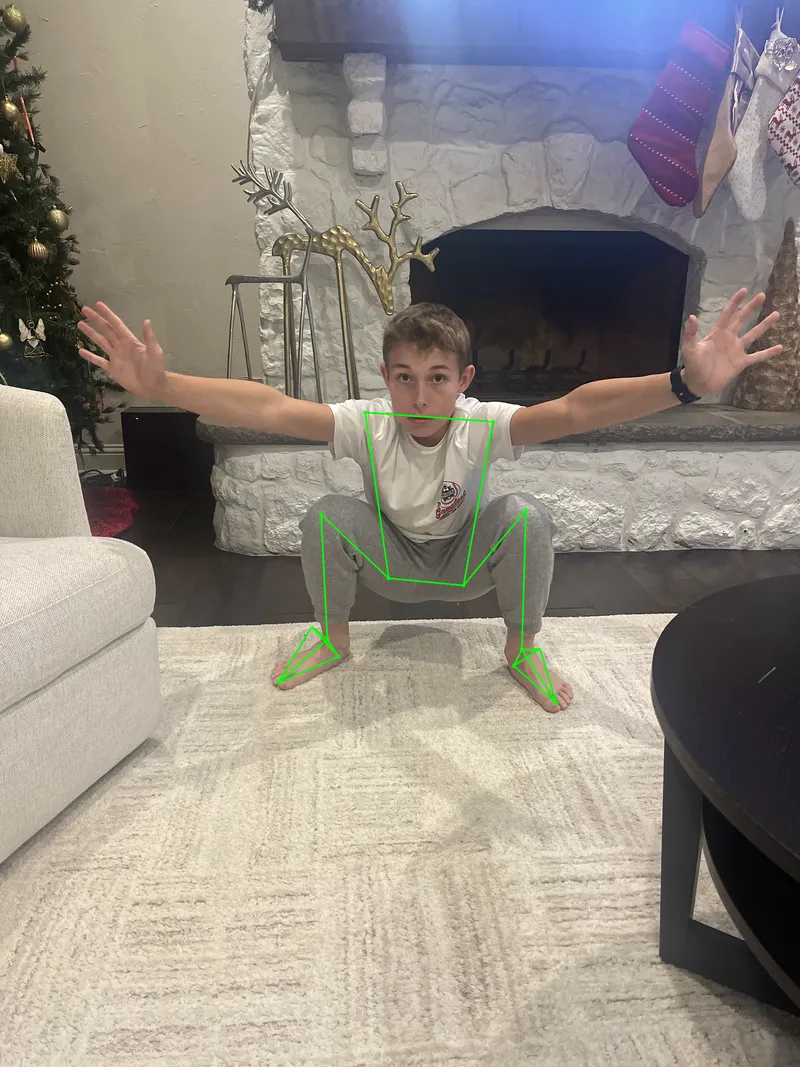
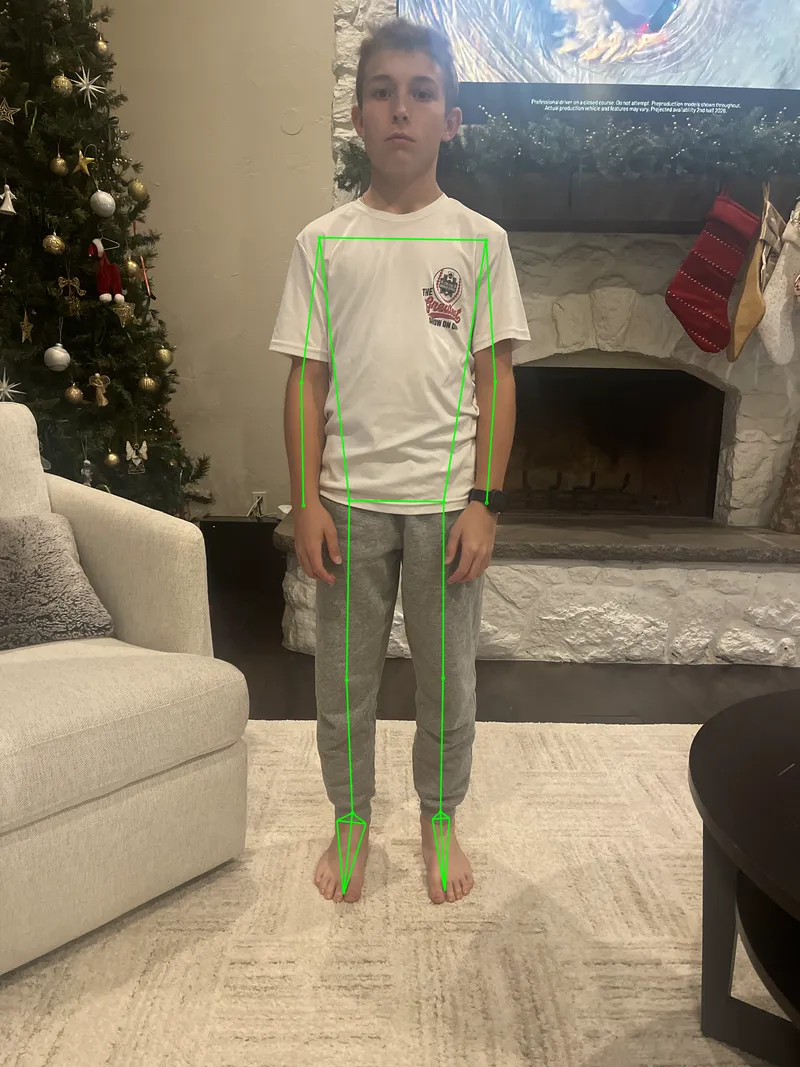
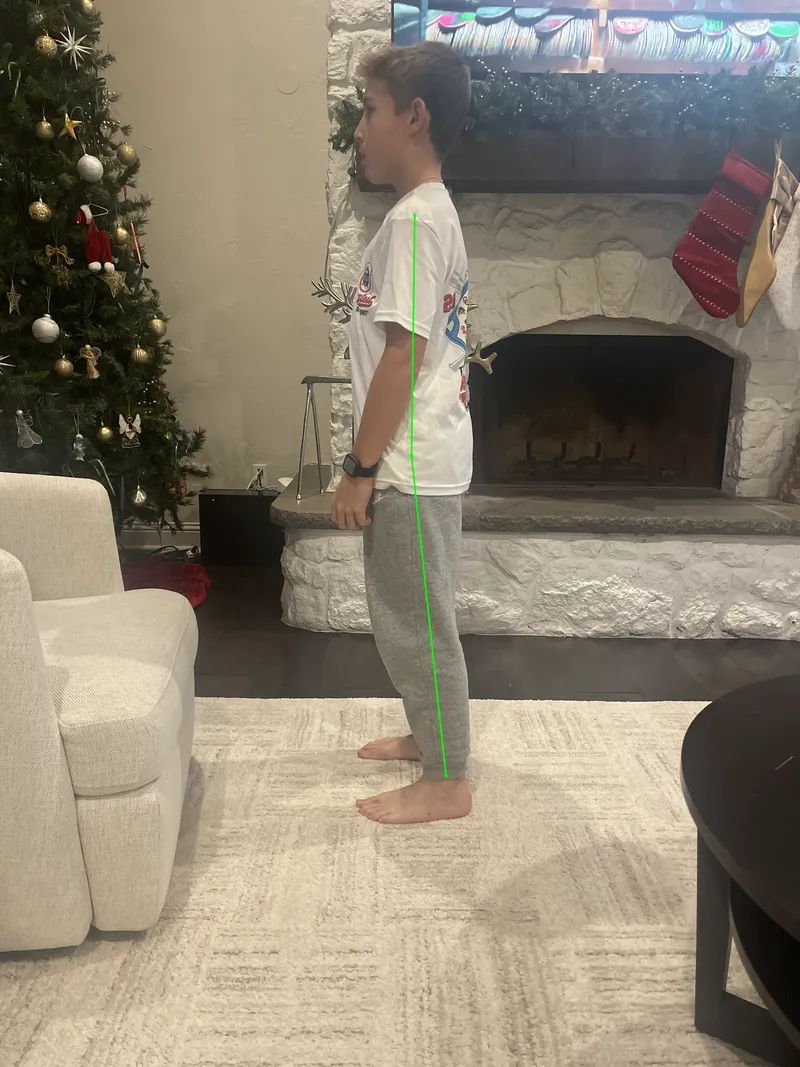
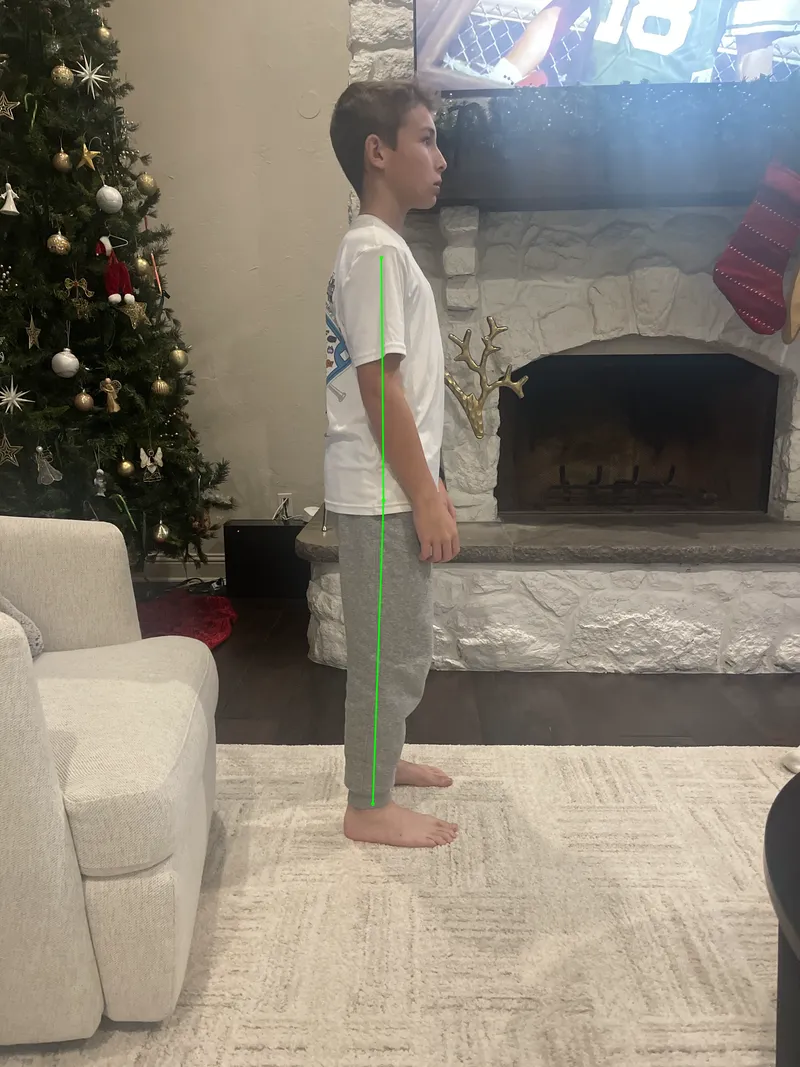
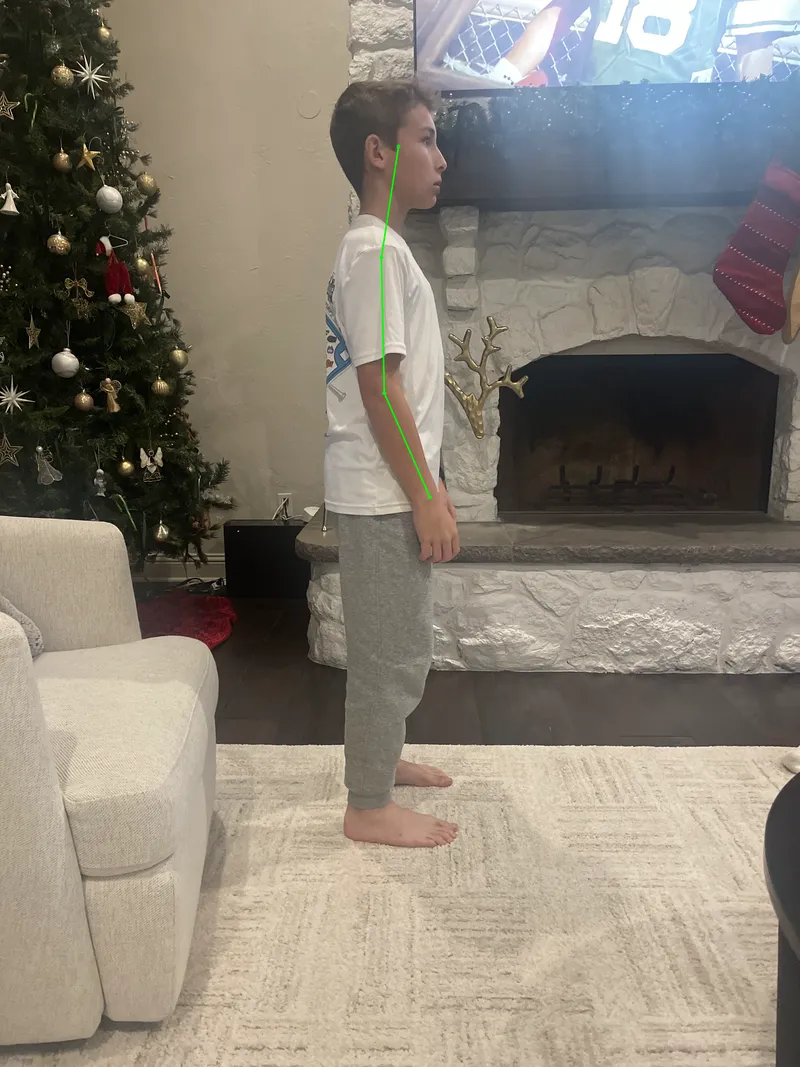
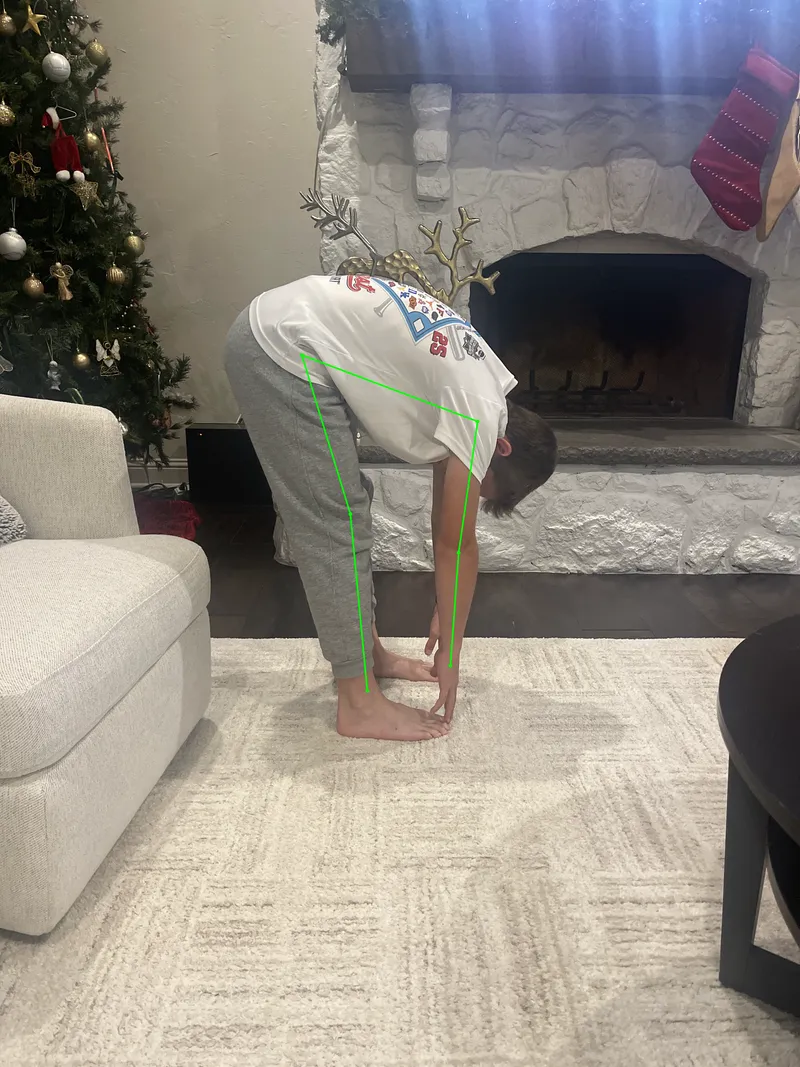
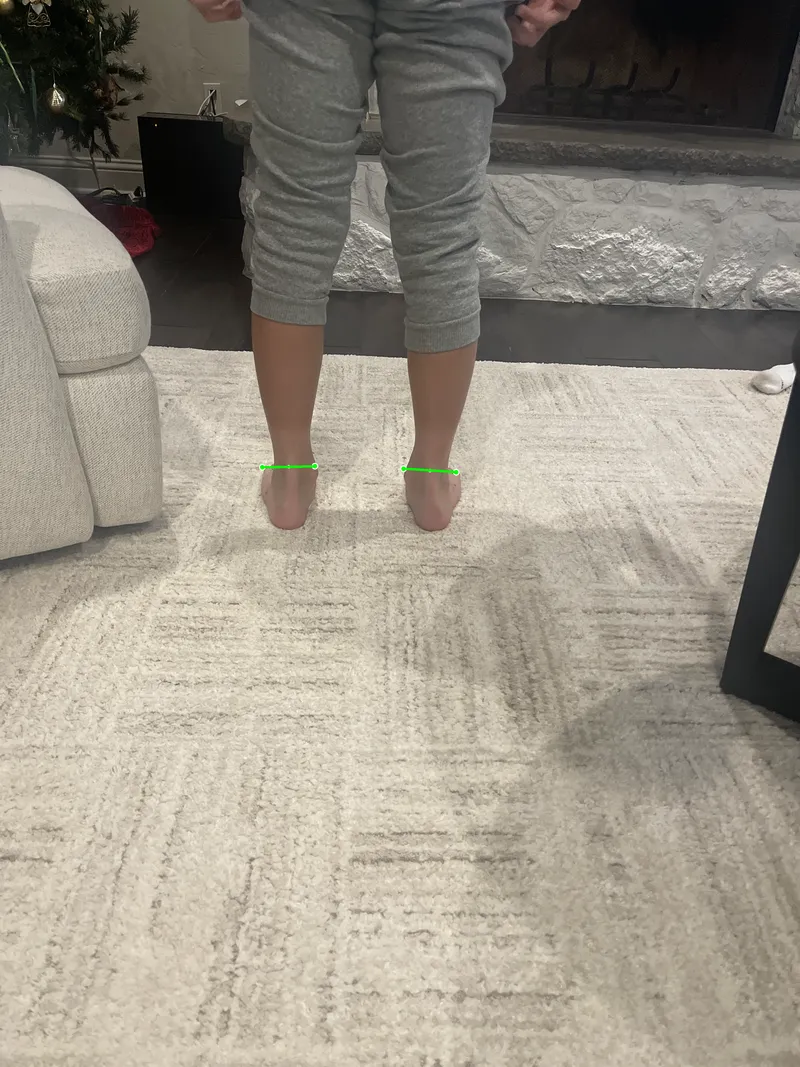
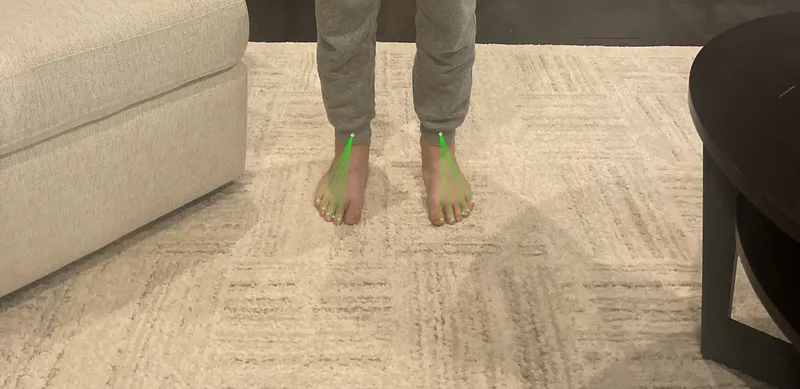
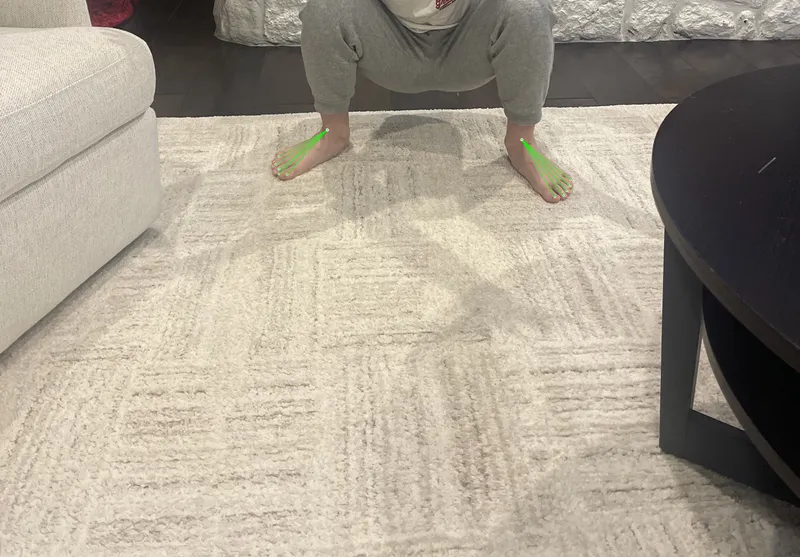
← Swipe to see all angles →
Progress Comparison
Loading your assessment history...
Your priorities
Status / insight
Strong upper-body alignment, but your feet/ankles/hips lose position under squat + hinge.
⌄
Status / insight
Strong upper-body alignment, but your feet/ankles/hips lose position under squat + hinge.
Primary focus: ankles
Reason: Your ankle mobility is crucial for stabilizing your knees and supporting your hamstrings during baseball activities.
Reason: Your ankle mobility is crucial for stabilizing your knees and supporting your hamstrings during baseball activities.
Why it matters
What it changes in training + daily life
⌄
Why it matters
What it changes in training + daily life
For athletic performance, power needs to transfer cleanly from the ground up. Your results show that when you go deeper (like a squat) or reach (like a hinge), your feet/ankles and hips change shape to find range. That 'cheating' leaks power and sends stress into areas that end up compensating instead of performing.
What to do next
The 3-step action plan
⌄
What to do next
The 3-step action plan
- Complete your prescribed "Synchronized Movement - 20 min" consistently (Chainsaw Crawls, Ankle Routine, Bolt Calf Raises, T Spine Wings, Elevated Drop In's, Drop in Rebounds). This plan is built to improve foot strength + ankle range so your body doesn't have to compensate higher up.
- During your "Chainsaw Crawls" and "Ankle Routine," focus on keeping your big toe connected to the ground. This directly targets the 'arch collapsing inward' note from your assessment.
- On "Elevated Drop In's" and "Drop in Rebounds," aim for left/right symmetry (same pressure through the whole foot). This supports your hip leveling issue seen in standing posture.
Assessment technology
What the system measures
Simple explanation
⌄
What the system measures
Simple explanation
We measure how your joints stack and move through key patterns (squat, hinge, posture). The goal is to spot where your body compensates — not to label you.
Accuracy and limitations
Honest boundaries
⌄
Accuracy and limitations
Honest boundaries
This is a screening tool — not a diagnosis. If pain is persistent or sharp, you should work with a qualified clinician or get on a call with our experts. The value here is direction: what to clean up first.
Terminology
Visual terminology guide
⌄
Visual terminology guide
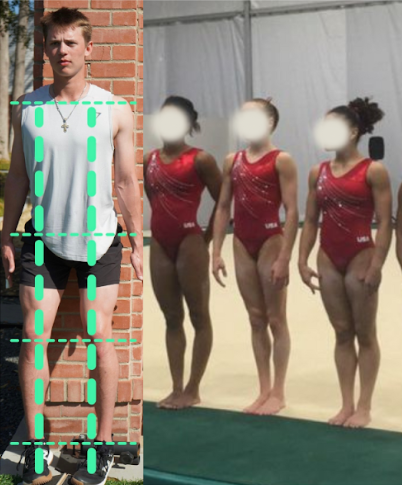
Healthy Foundation "Columns"
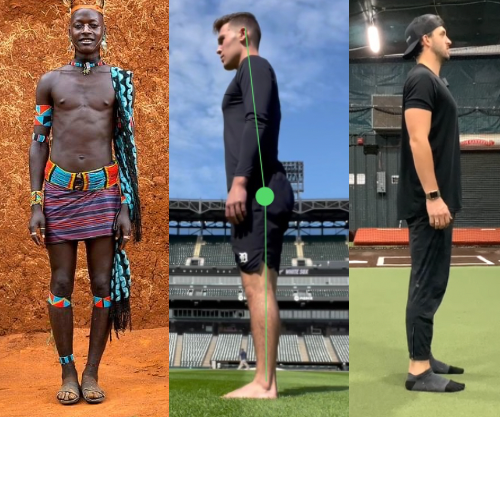
Healthy Shoulders
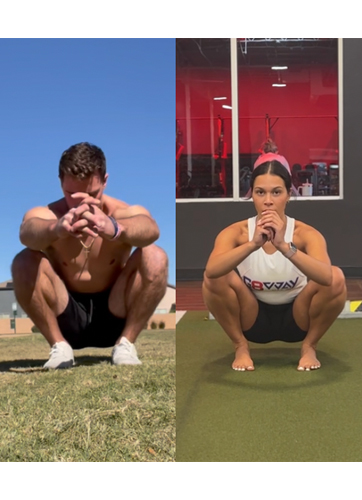
Healthy Landing
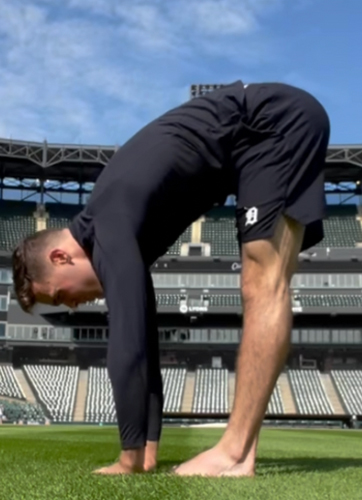
Healthy Launching
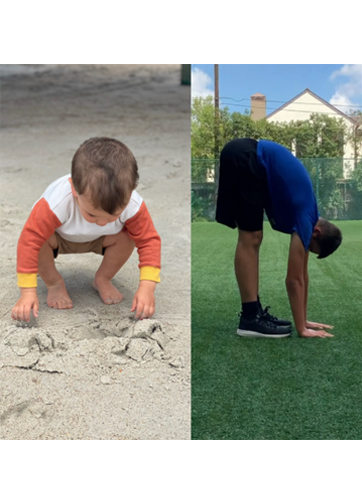
Healthy Suppleness
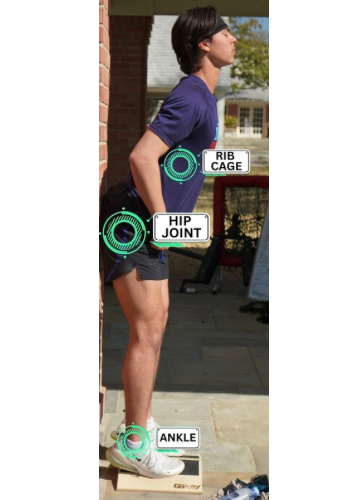
Healthy Back-chain Dominance
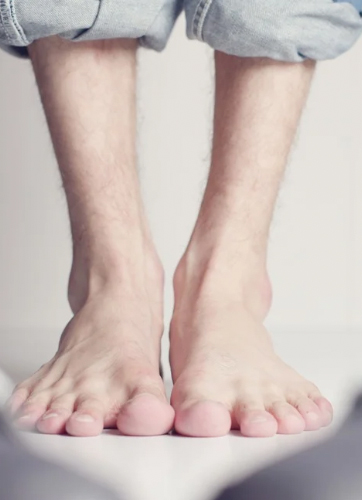
Healthy Inside Ankle Bone High
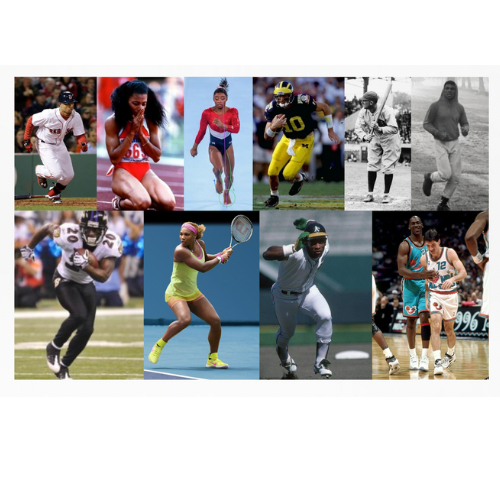
Our assessment's science is based on super-athletes vwith no non-contact catastrophics.
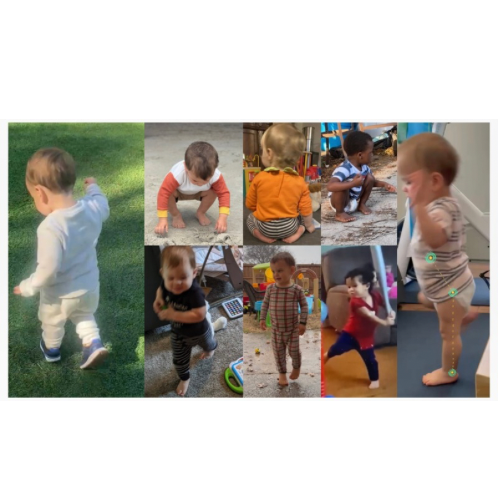
Our assessment's science is based on late-crawling babies
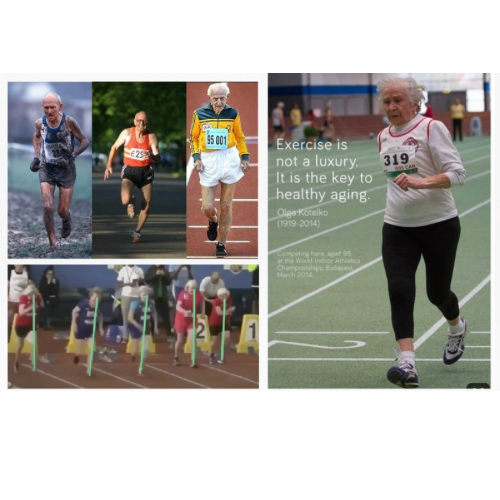
Our assessment's science is based on elderly athletes with no joint replacements or non-contact injuries.
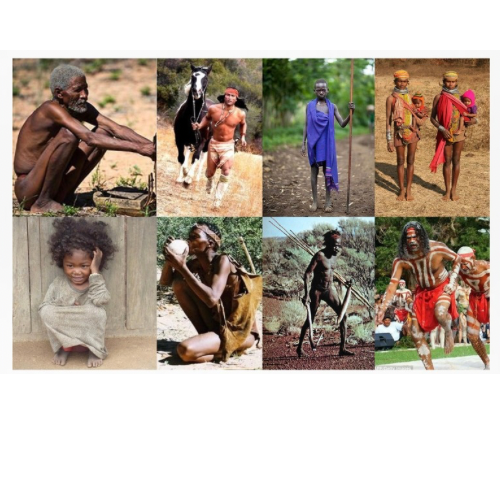
Our assessment's science is based on indigenous populations
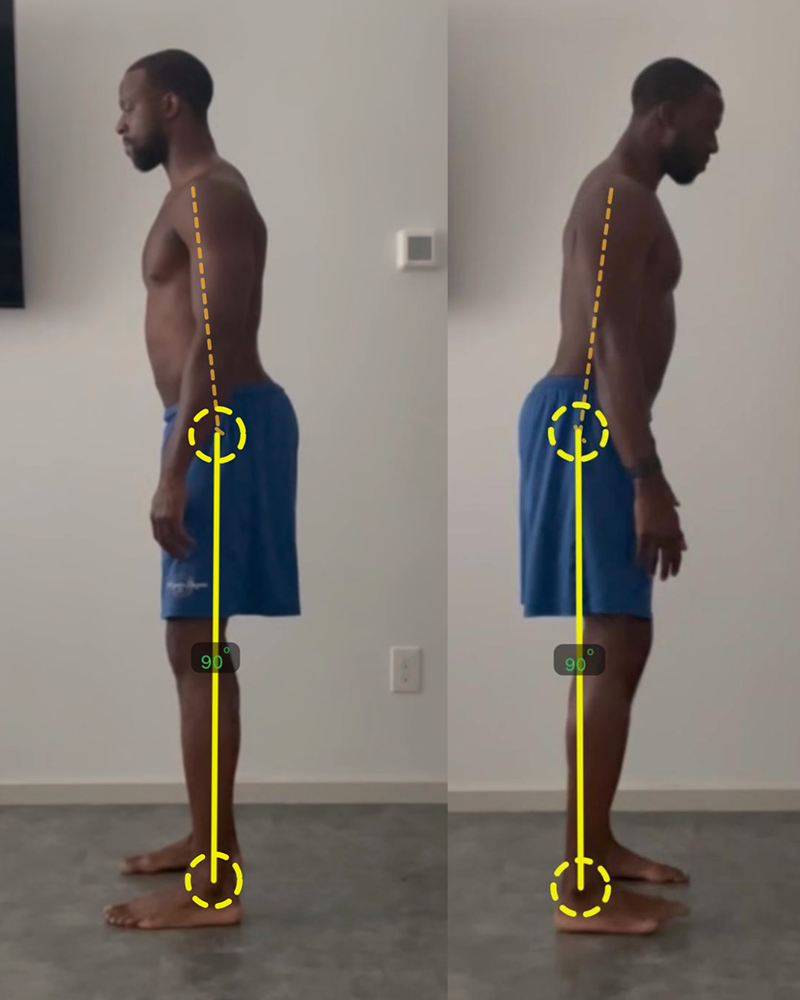
Healthy Back Chain Dominance
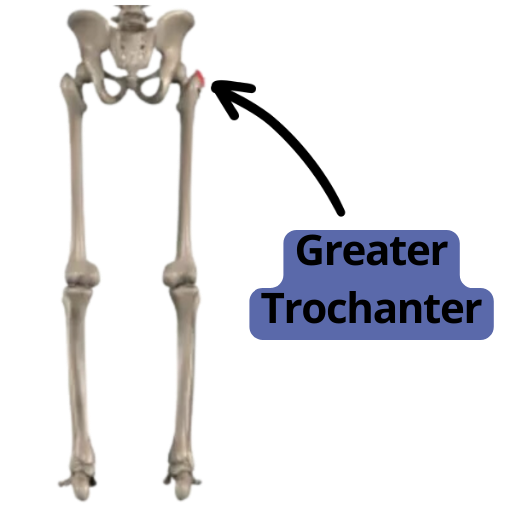
Greater Trochanter Anatomy Reference
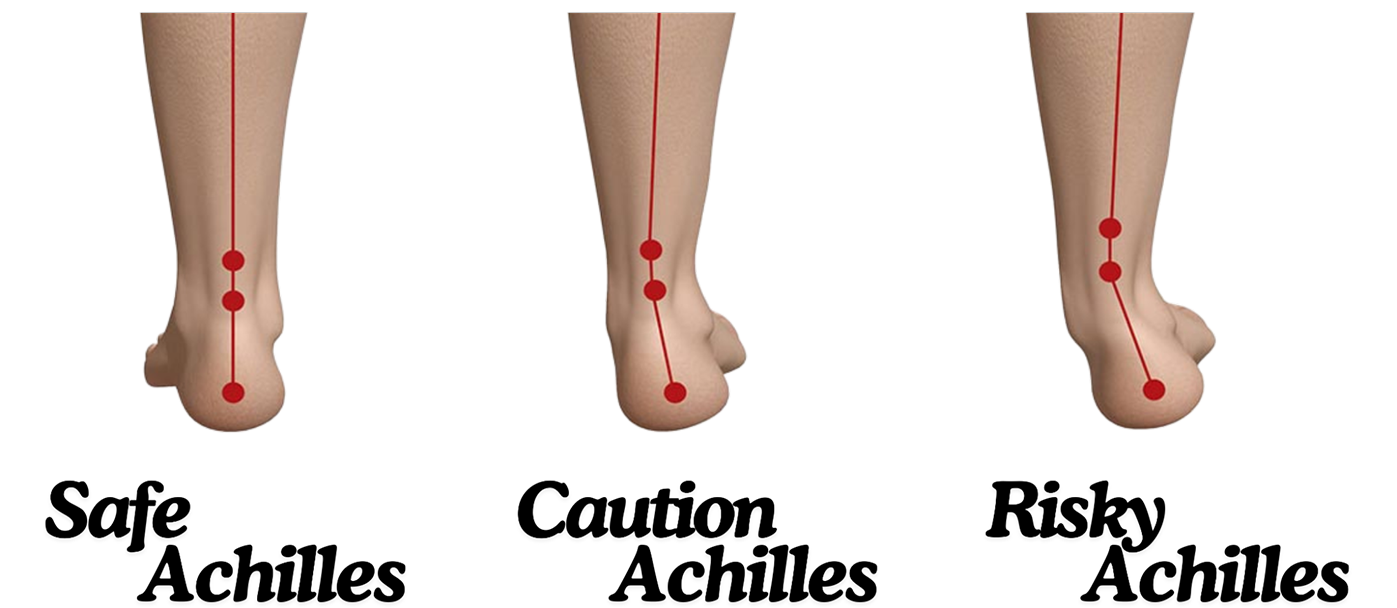
Safe, Caution, Risk Achilles
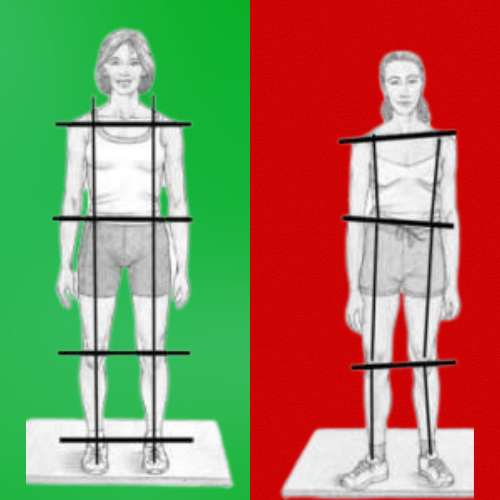
Healthy versus Unhealthy Columns
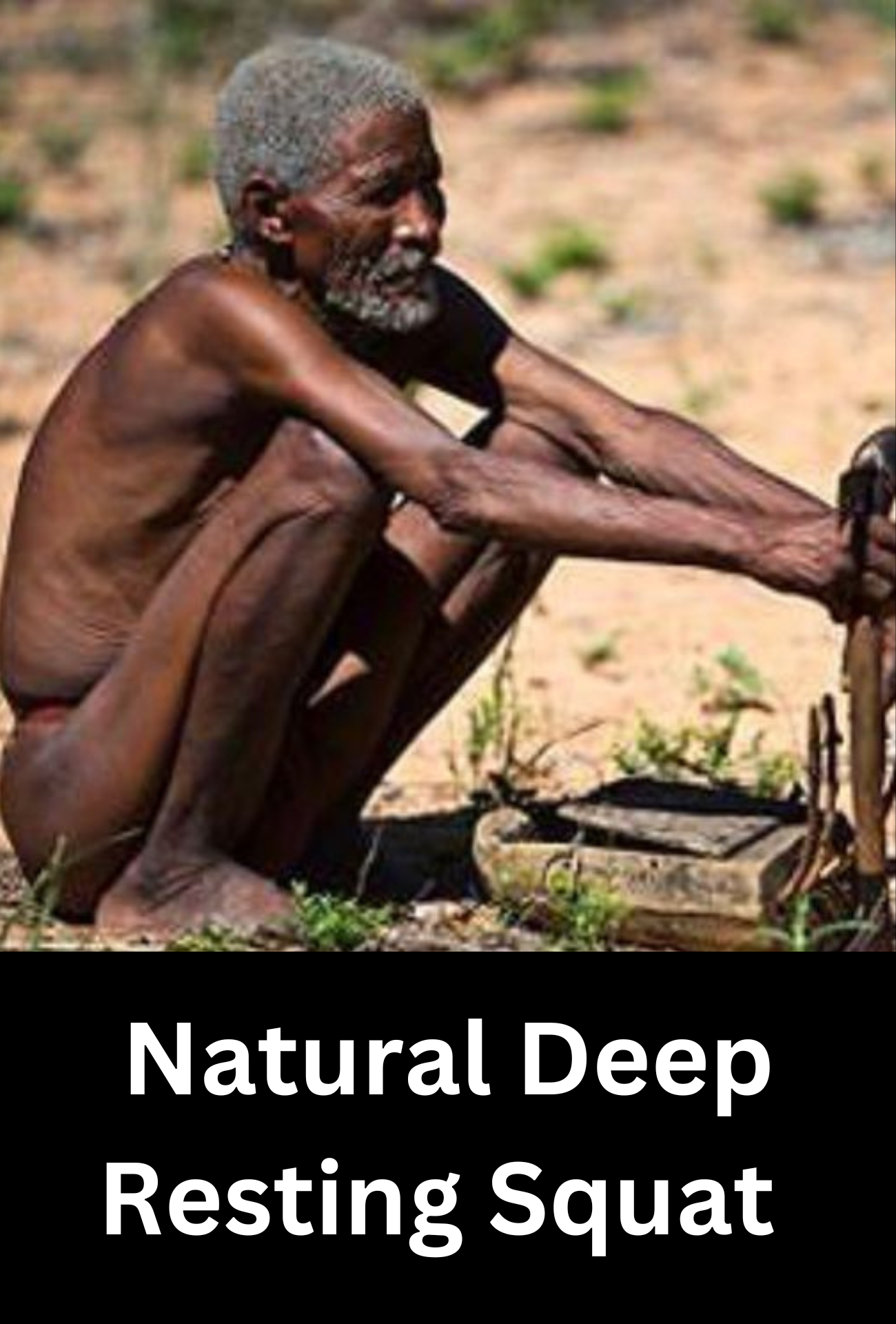
Full Access in The Deep Squat
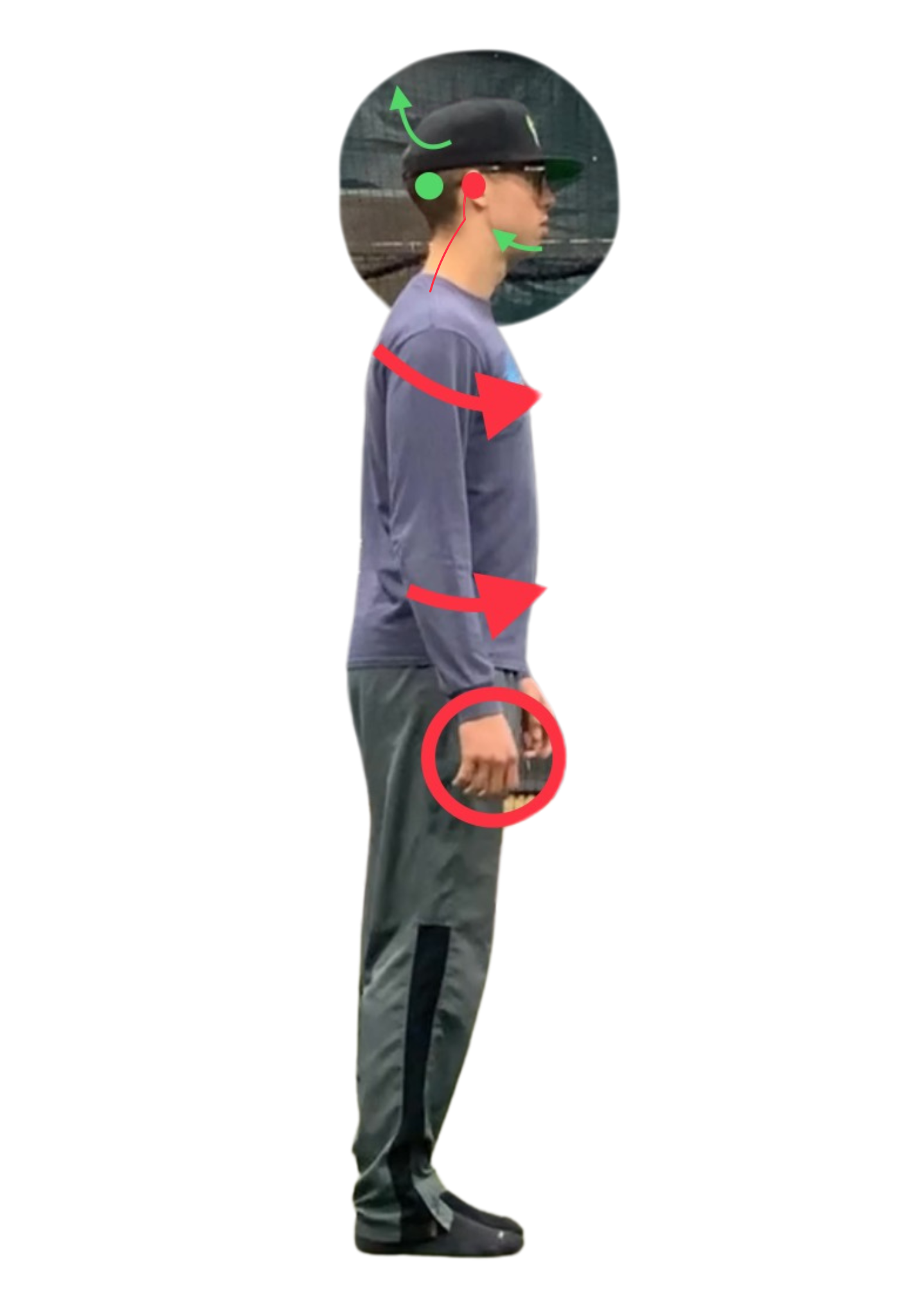
Unhealthy Shoulders
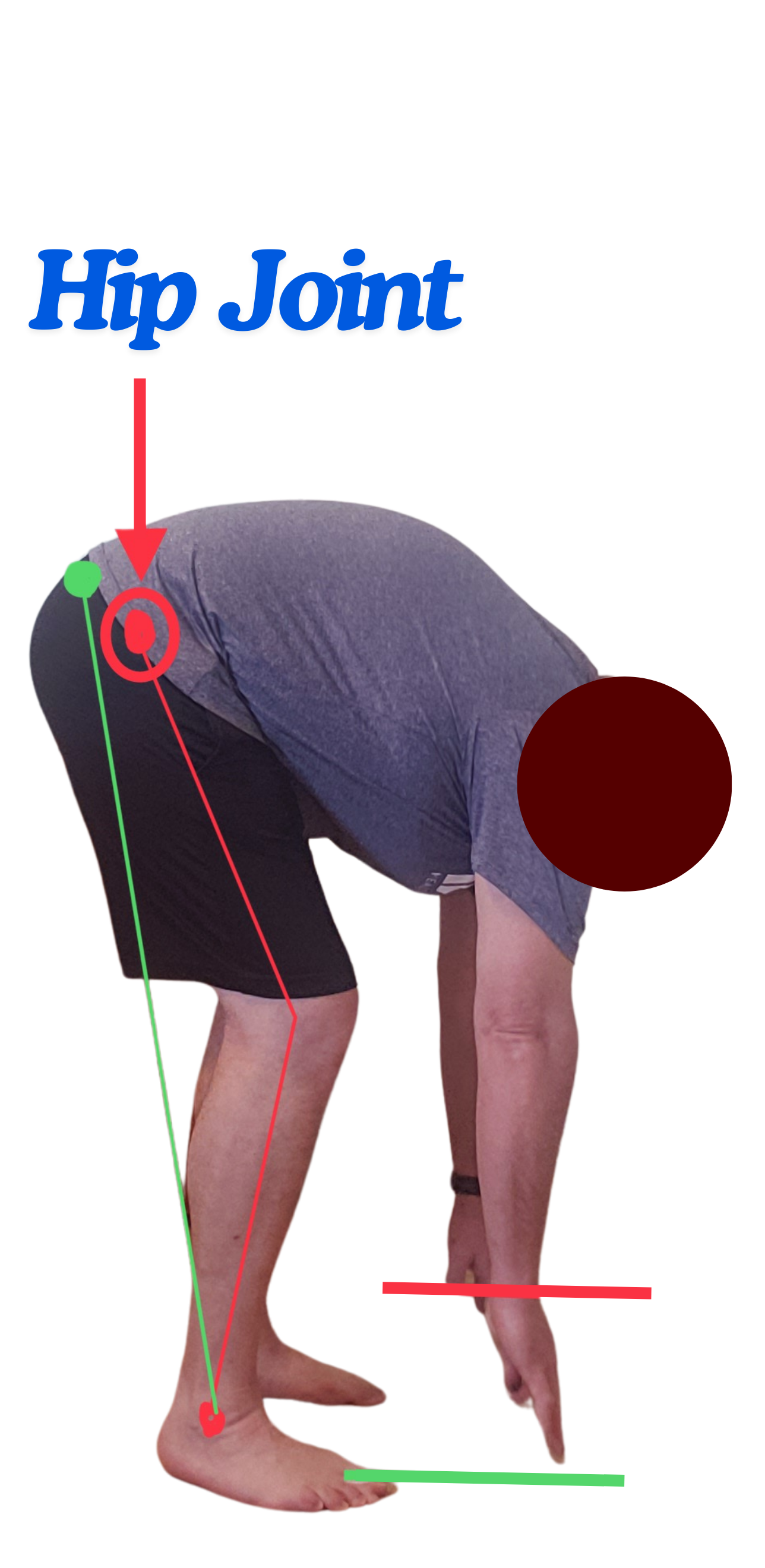
Limited Access In The Hinge
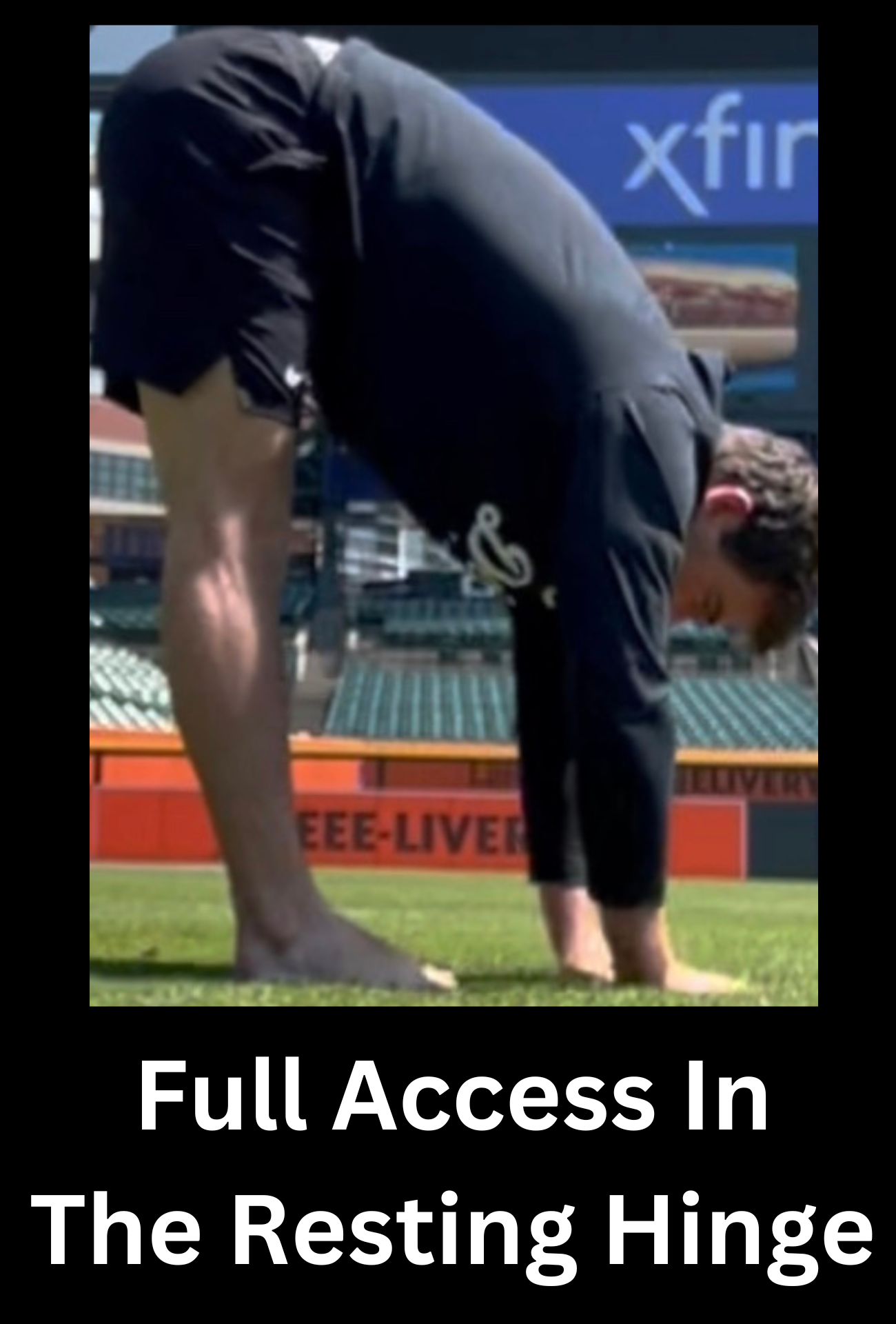
Full Access in The Hinge
Valgus
Knee caves in
⌄
Valgus
Knee caves in
A knee moving inward under load. Often shows up when feet/hips can’t control rotation. The fix is usually strength + better setup, not “try harder.”
Confidential Proprietary. Copyrighted 2022 G8way Max LLC ©